
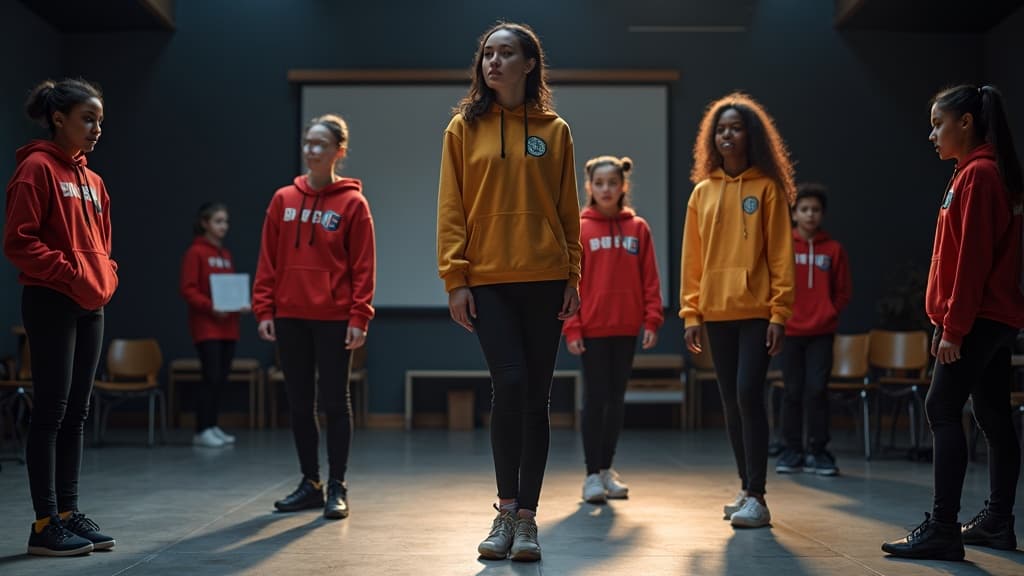
Understanding Physical Skills in Drama
Physical skills are the tools actors use to convey emotions, intentions, and reactions without dialogue. Key skills include posture, movement, facial expressions, and gestures. These skills help actors embody their characters fully, making performances more dynamic and believable. For instance, a confident character may stand tall with open gestures, while a timid character might hunch and avoid eye contact. Understanding and mastering these nuances can elevate your acting to a professional level.
Techniques to Enhance Your Physical Skills
Improving physical skills requires practice and awareness. Here are some effective techniques:
Posture and Alignment: Practice standing and sitting with correct posture. Use a mirror to ensure your shoulders are aligned, head is upright, and your weight is evenly distributed.
Movement Exercises: Engage in activities like dance or tai chi to improve your body fluidity and control. These exercises enhance your ability to move expressively on stage.
Facial Expression Drills: Practice various emotions in front of a mirror. Pay attention to how subtle changes in your face can alter the perceived emotion.
Gesture Practice: Use exaggerated gestures in rehearsals to explore their impact. Gradually refine them to suit your character’s personality and the context of the scene.
Frequently Asked Questions
What are the key physical skills in drama?
Key physical skills include posture, movement, facial expressions, and gestures. These elements help actors convey emotions and character traits effectively.
How can I improve my physical skills for drama performances?
Regular practice using techniques like posture drills, movement exercises, and facial expression practice can enhance your skills. Joining workshops or drama clubs can also provide valuable feedback.
Why are physical skills important in acting?
Physical skills are crucial as they allow actors to communicate non-verbally, adding depth and realism to performances. They help in crafting a believable character and engaging the audience.
How do physical skills differ between GCSE and A-Level drama?
In GCSE, the focus is often on basic skills and understanding, while A-Level drama requires a deeper exploration of characterisation and more sophisticated physical expression techniques.
Conclusion
Mastering physical skills in drama is essential for any student aiming to excel in their GCSE or A-Level performances. By practising these skills, you can enhance your ability to convey authentic characters and emotions. For more resources, check out our subject library for detailed guides or use our flashcard tool and AI note generator to further support your study efforts.